Why a trade fair budget slips away
Many companies draw up a fair budget starting from the stand and discover at the final count that the surrounding costs almost doubled it. It happens because there are many items, spread across different departments (marketing for the stand, sales for the dinners, finance for travel) and decided at different times. The first step to controlling costs is to put them all on the same sheet.
The Milan factor
Milan adds one more factor: in the weeks of the big fairs, prices for hotels and services rise, sometimes sharply, because demand outstrips supply. The same hotel can cost much more in a week in April than in a week in July. It is not an anomaly, it is the market: plan for it.
What you'll find here
We don't give figures, because they change from fair to fair, from sector to sector and from year to year. Instead you'll find the full list of items, the factors that push them up or down and the choices that really save money.
The budget items
1. Exhibition space
The fee for the stand area, usually calculated per square metre, with any surcharges for the position (corner, end of aisle, island) and for the organiser's mandatory services. It is the best-known item and the one least open to negotiation.
2. Stand construction
Stand design and build, furniture, graphics, lighting, installations, screens, storage. It can be a shell scheme supplied by the organiser or a custom stand built by a contractor. Add transport of materials plus set-up and dismantling.
3. The fair's technical services
Electrical connection, internet, cleaning, security, insurance, passes for loading vehicles. Many are mandatory or hard to avoid; they are ordered through the organiser's channels with strict deadlines, after which they cost more.
4. Staff travel
Trains, flights, company cars, fuel and tolls for everyone involved: those building the stand, those working at the fair, those arriving for just a day or two.
5. Hotels
Rooms for technical staff during set-up and dismantling, rooms for sales staff during the fair, rooms for managers and guests. It is the item most sensitive to the week you choose and to when you book.
6. Local transport
Metro, taxis, airport transfers, shuttles between hotel and fair, chauffeured cars for guests. A small item per person, a large one for a team of twenty over five days.
7. Staff meals
Breakfasts, lunches at the fair, team dinners. On fair days people often eat in a hurry and at high prices: a daily allowance per person avoids surprises and arguments.
8. Client dinners and events
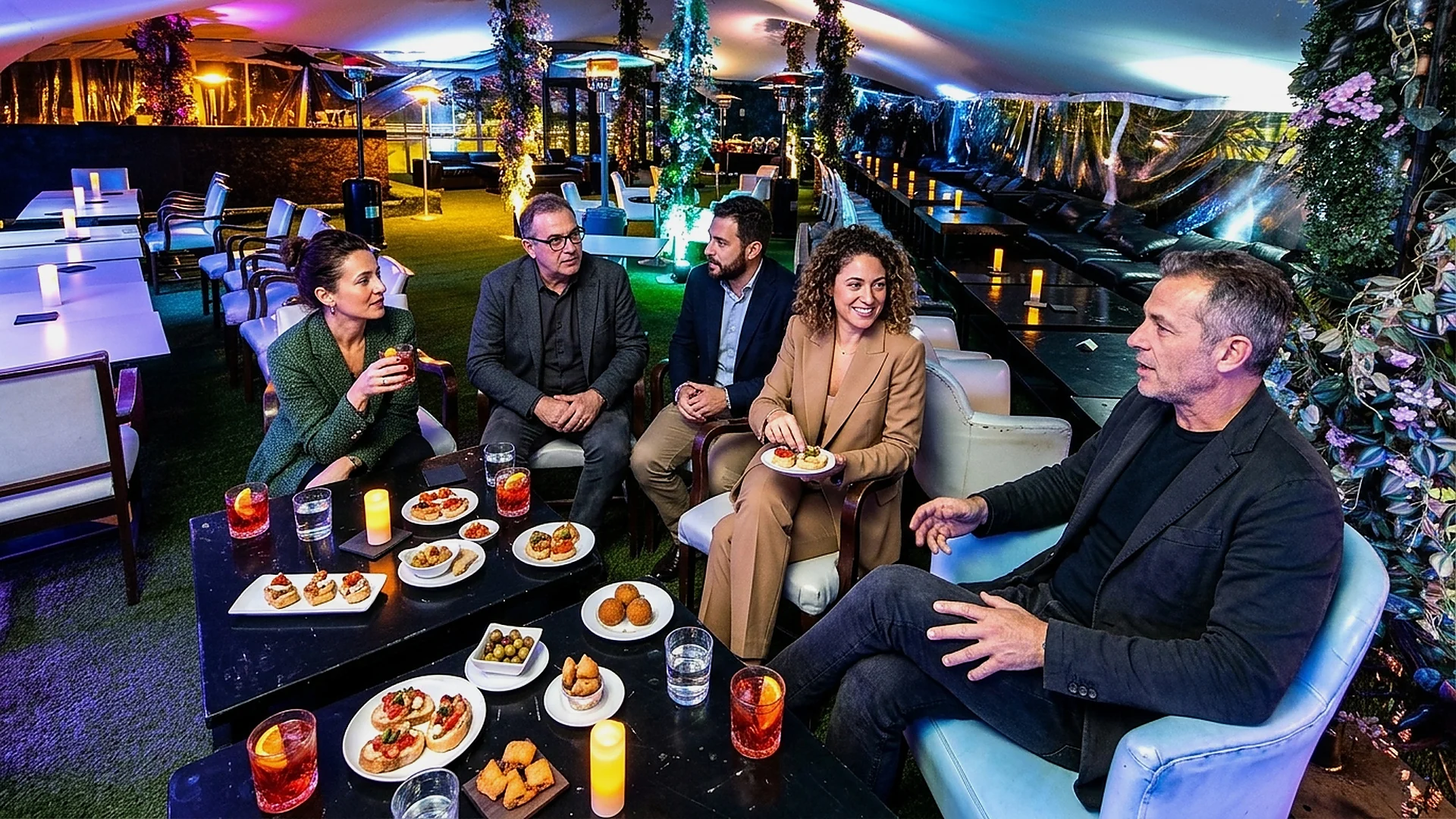
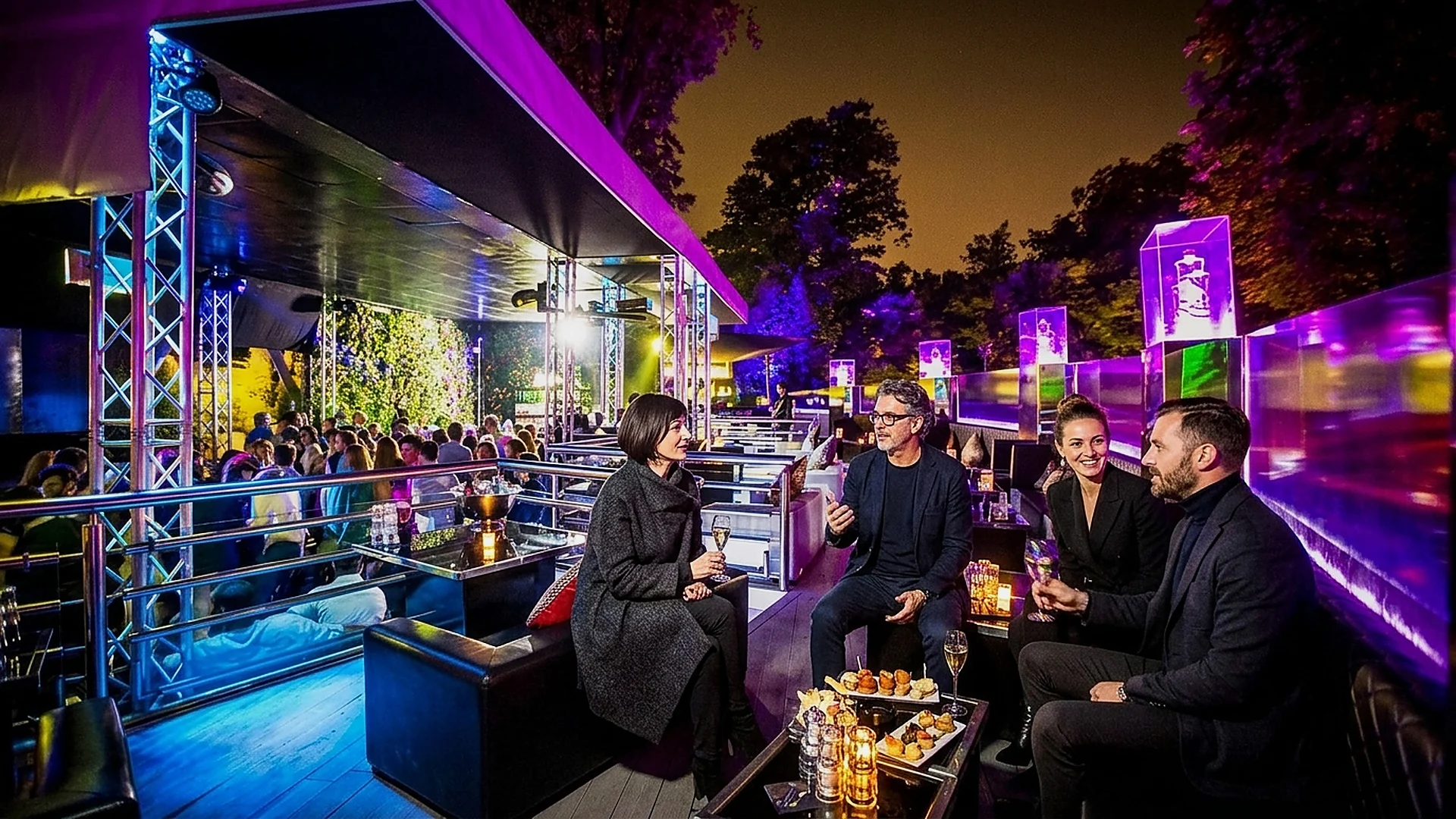
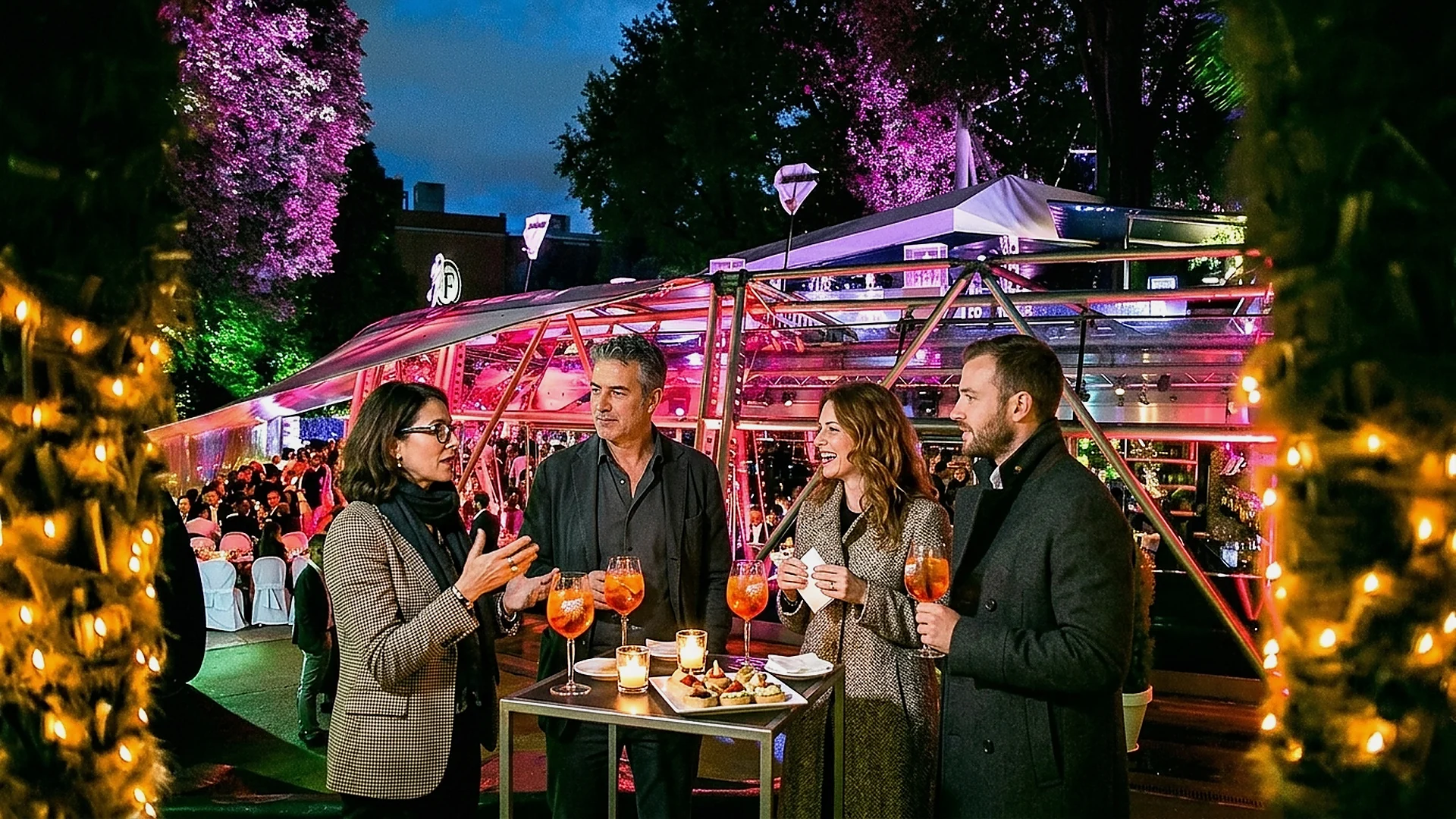
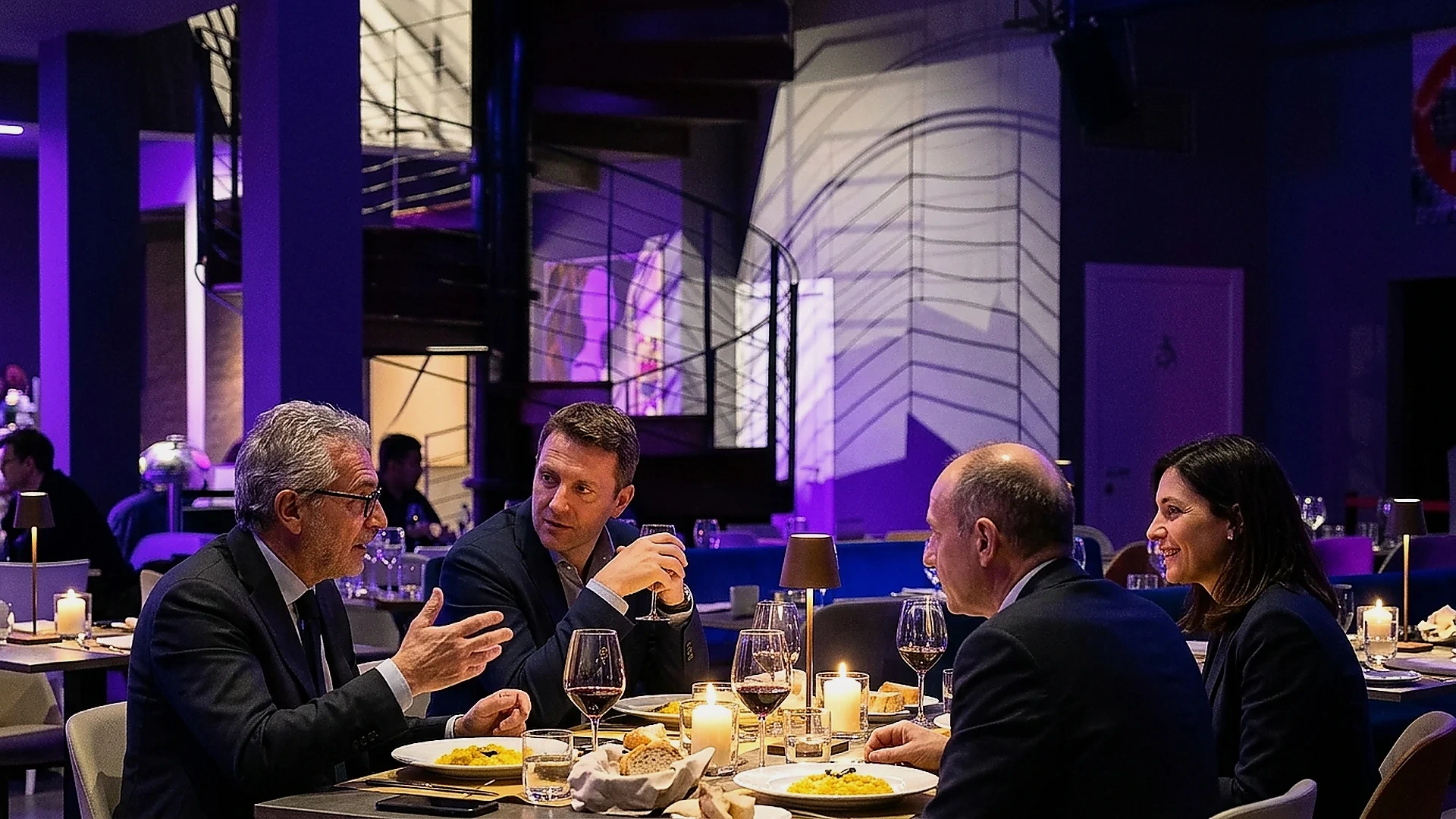
Dinners with the most important clients, drinks, events in showrooms or venues, gala evenings. These are commercial investments, not side costs, and belong in the budget from the start.
9. Materials and gifts
Catalogues, samples, giveaways, client gifts, material for competitions or stand promotions.
10. Extra staff
Hostesses, interpreters, photographers, videographers, service staff for the stand or evening events.
| Item | Usually decided by | When it is set |
|---|---|---|
| Exhibition space | Marketing, management | Many months ahead |
| Stand construction | Marketing | Months ahead |
| Technical services | Marketing, technical office | By the organiser's deadlines |
| Travel | Finance | Weeks or months ahead |
| Hotels | Finance, office staff | Months ahead for big fairs |
| Local transport | Office staff, individuals | Often at the last minute |
| Staff meals | Individuals, reimbursed | During the fair |
| Client dinners | Sales | Weeks ahead |
| Materials and gifts | Marketing | Months ahead |
| Extra staff | Marketing | Weeks ahead |
What pushes the cost up
The week
The biggest fairs, such as the Salone del Mobile or the February fashion fairs, push prices up across the whole city. A smaller fair in a quiet week costs much less in hotels and services.
When you book
Hotels and services booked many months ahead cost less than those booked in the final weeks. The same applies to the fair's technical services: after the deadlines, surcharges kick in.
Where the hotel is
A hotel near the fair costs more but saves transport and time; a distant one costs less but adds taxis, travel hours and fatigue. Compare the total cost, not the room rate. The areas, with pros and cons, are in our guide on where to stay near Rho Fiera.
Last-minute decisions
A client invited to dinner that evening, a colleague joining the trip, a transfer booked on the fly: decisions made during the fair always cost more than those made beforehand.
How to save without cutting corners
Book early, with free cancellation
This is the most important rule. Blocking rooms as soon as participation is decided, on cancellable rates, gets you better prices and lets you reduce the number of rooms if the team changes.
Choose the right area for each person
Technical staff stay near the fair, sales staff along the red line, managers wherever they need to be for dinners. One solution for everyone almost always costs more.
Put the dinners in one quote
Client dinners decided one at a time by different salespeople cost more and are harder to control. A programme of evenings with written quotes and a per-person price for each dinner tells you in advance how much you will spend.
Use public transport where it works
The red metro line goes to the fair without changes. For staff it is the cheapest solution and often the fastest; keep private transfers for important guests and groups with equipment.
Set a meal allowance
A daily allowance per person for staff meals, communicated before departure, avoids surprise expense claims.

A budget template
To build your budget, use a table with these columns: item, quantity, unit cost, planned total, actual total, notes. Fill in the planned column before the fair and the actual column right after: at the next fair you'll know which items you underestimated.
| Item | Quantity | Unit | Notes |
|---|---|---|---|
| Exhibition space | square metres | per square metre | Position surcharges |
| Stand construction | 1 | lump sum | Transport and set-up included? |
| Technical services | various | per service | Respect the deadlines |
| Hotels | people × nights | per room per night | Free cancellation |
| Travel | people | per ticket | |
| Local transport | people × days | per ride or per day | |
| Staff meals | people × days | daily allowance | |
| Client dinners | guests | per-person price | Drinks included? |
| Gifts and materials | various | ||
| Extra staff | people × days | per day |
The budget by type of participation
The items are always the same, but their weight changes a lot depending on how you take part.
The small exhibitor
With a small stand and two or three people, space and construction weigh less, but travel, hotels and meals remain significant in proportion. The most effective way to contain costs is to choose the week well and book hotels very early.
The large exhibitor
With a large stand and a big team, construction and staff take the lion's share. This is where agreements count: negotiated room blocks, shared shuttles, dinners with written quotes. A small percentage saved on each item becomes a significant sum.
The trade visitor
Without a stand, the budget comes down to travel, hotel, local transport, meals and a few dinners with suppliers and partners. It is also the type of participation most sensitive to hotel prices: for a visitor, the hotel can be the biggest item.
The collective stand
Many small companies take part in fairs within a collective area organised by a trade association or a public body. The space costs less, but travel, hotels and dinners are still paid by each company: budget for them as you would for your own stand.
The return on investment
Measuring the fair
A fair is a commercial investment. To judge whether it was worth it you need numbers: how many contacts collected, how many meetings held, how many orders or negotiations came out of the fair in the following months. Put these numbers next to the final cost statement.
Dinners as an investment
Client dinners are often the item with the best return for what they cost: a well-organised evening with an important client can be worth more than days at the stand. That is why they deserve the same care as the exhibition space.
Travel expenses and accounting
Invoices made out to the company
Hotels, dinners, transfers and services should be invoiced to the company with the correct details. Collecting billing details before departure avoids weeks of correction requests after the fair.
The final count
Right after the fair, gather all invoices and receipts and compare them with the budget. The final cost statement is the best tool for preparing the next fair.
The questions to ask every supplier
The hotel
Does the rate include breakfast and the city tax? Until when can you cancel without penalties? Can guest names be changed? Is there a shuttle to the fair, and at what times? For a room block, by when must the final number be confirmed?
The restaurant
Does the per-person price include drinks, and how many? Is the cover charge included? Is the room private or shared? Until what time can you stay? How do you pay and with what invoice?
The transfer service
Is the price per trip, per hour or per day? Are tolls, parking and waiting time included? What happens if the flight is late? Who do you call at night if there is a problem?
The stand builder
Does the quote include transport, set-up, dismantling and storage? Who handles the fair's technical services? What happens if materials arrive late?
Get the answers in writing: they are the basis for comparing quotes and avoiding disputes at the final count.
Mistakes to avoid
Leaving dinners out of the budget
Client dinners often end up in individual salespeople's expense claims rather than the fair budget. That way the real cost of taking part stays invisible.
Comparing room rates only
A cheaper hotel far from the fair can cost more once taxis and lost time are added.
Letting the organiser's deadlines slip
Technical services ordered late cost more. Put the deadlines in your preparation calendar.
In short
The five budget rules
- Put every item on the same sheet, including dinners, transport and staff meals.
- Book hotels and services as early as possible, on flexible cancellation terms.
- Choose the hotel area according to each person's role, not just the rate.
- Ask for written quotes, with per-person prices for dinners and everything included spelled out.
- Do the final count right after the fair and compare it with the plan.
With these five rules, the next fair's budget starts from real numbers rather than estimates.
How we can help
We handle the items outside the halls: hotels, transfers, client dinners and staff evenings, with written quotes, per-person prices for dinners and invoices made out to the company. You'll find the list in our trade fair services in Milan; the dates for booking in time are in the Milan trade fair calendar 2027; for dinners see the guide to client dinners during Milan trade fairs.